
Particle Matter
Ensuring Safety with Precise Particle Filtration
Extracting particulate matter is essential, it is a mixture of solid and liquid micrometer-sized particles.
According to TRGS regulations, particulate matter is a hazardous substance that must be monitored
regularly to ensure occupational safety and compliance with defined limit values.
UNDERSTANDING THE HAZARD
What is Particle Matter?
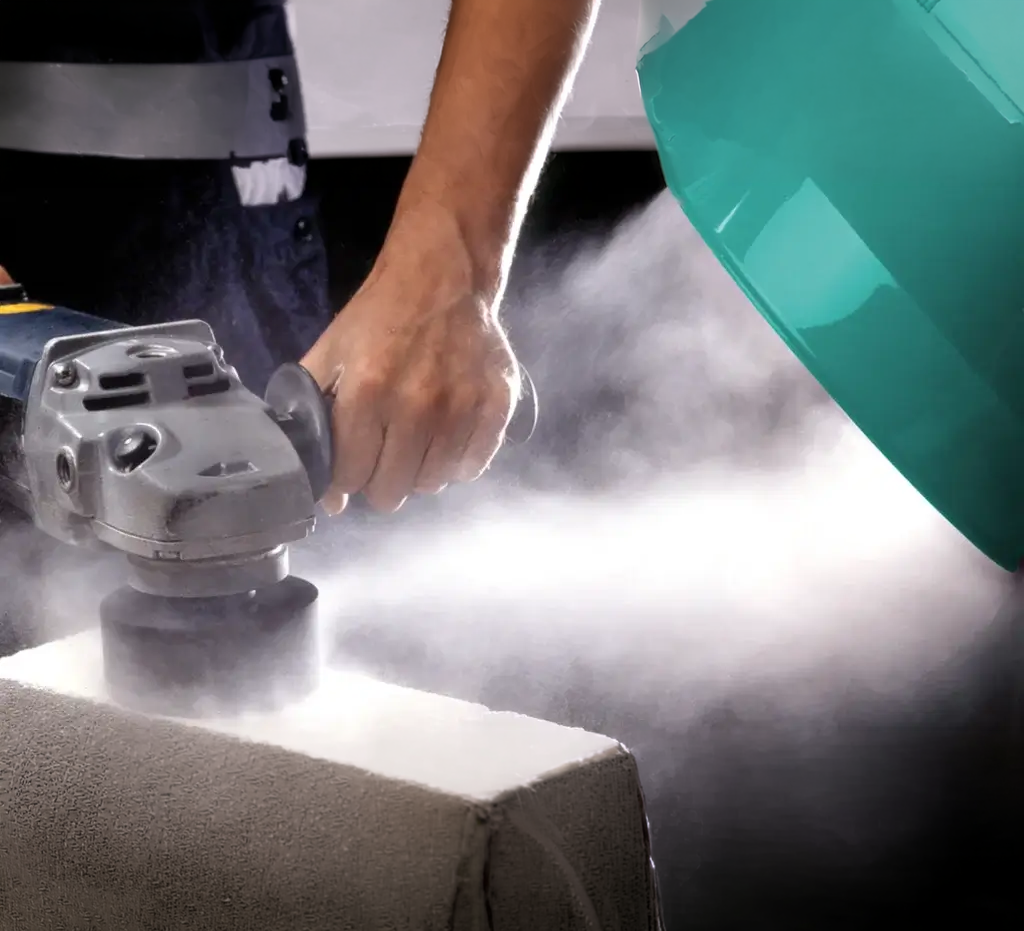
Particle matter is a complex, heterogeneous mixture of solid and liquid particles. The dust particles are only a few micrometers in size and therefore invisible to the human eye. The suspended matter is subdivided into PM categories, which differentiate particles according to their sizes. The term “Particulate Matter” is derived from the definition by the US Environmental Protection Agency (EPA), which sets the “national air quality standard”.
The particles in particle matter are very small and carcinogenic. The smaller the particles, the deeper they can penetrate the lungs when
inhaled and remain there. Suspended dust includes all airborne particles subdivided into PM10 (particles with a diameter of 10 μm) and PM2.5 (particle diameter of 2.5 μm and smaller). Modern laser processes emit particles in the range of nanometers, only one millionth of a millimeter.
A distinction must be made between inhalable E-dust and alveolar A dust. Particles in A-dust are so small that they can penetrate the respiratory tract into the alveoli and bronchioles of the lungs. TRGS900 denes the general dust limit values: A-dust = 1.25 mg/m³ and E-dust = 10 mg/m³.
99.95%
H13 Efficiency
99.995%
H14 Efficiency
0.1-0.3µm
Particle Capture Size
1.25
mg/m³ A-Dust Limit
10
mg/m³ E-Dust Limit
Process and Emission Sources
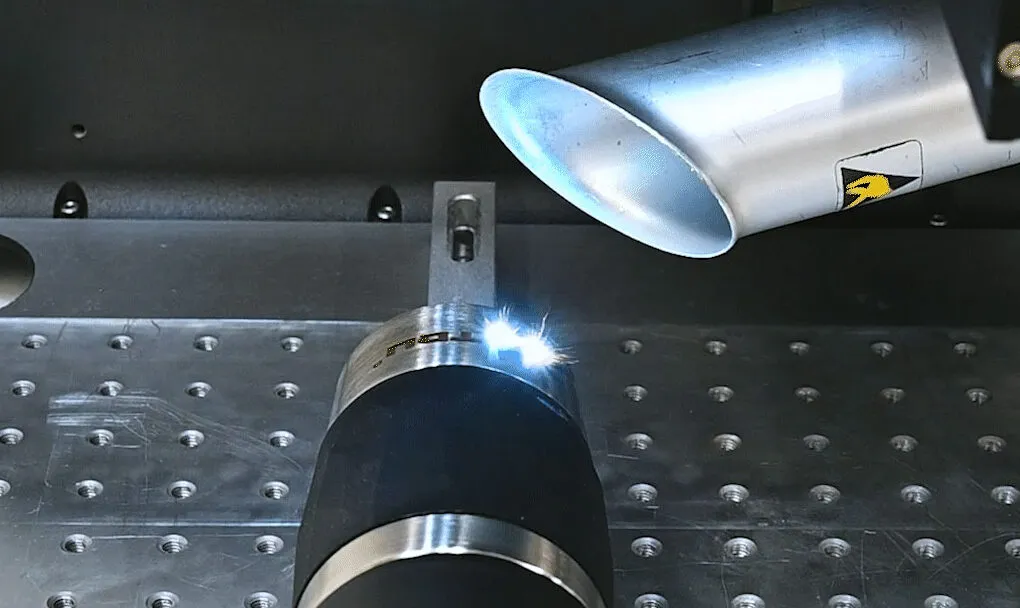
Laser Fumes
Finest emissions through work with lasers. Laser cutting, marking, and engraving create ultra-fine aerosols from vaporized material. Modern laser processes emit particles in the nanometer range requiring specialized filtration.
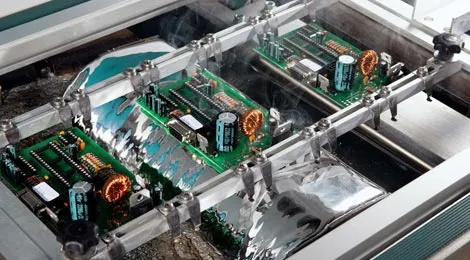
Soldering Fumes
Smallest particles generated by wave soldering and manual soldering processes. Flux based solder produces a complex mixture of organic and inorganic particles including resin acids, aldehydes, and metal oxide fumes.
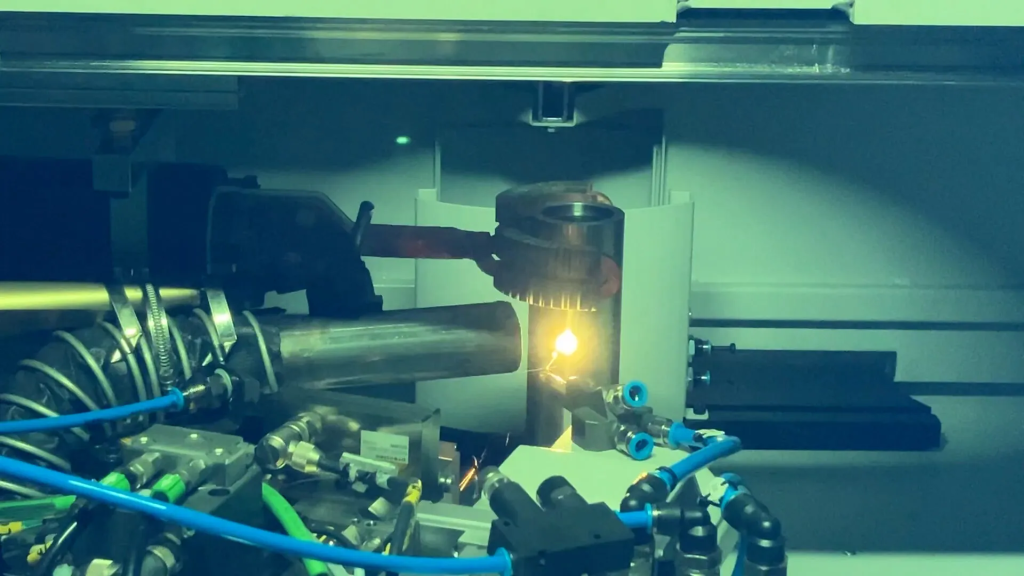
Welding Fumes
Automated and manual welding causes smoke particles containing metal oxides. MIG, TIG, and arc welding generate fumes containing manganese, chromium, and nickel requiring high-capacity extraction systems.
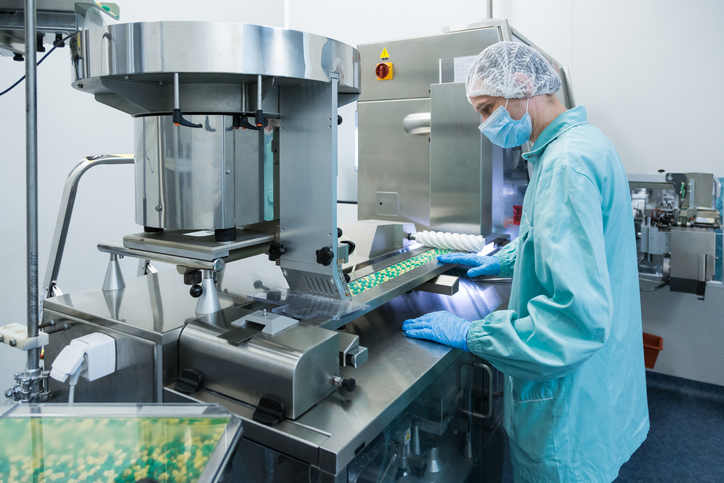
Clean Room
Dust-free air to protect sensitive parts. Enclosed extraction prevents operator exposure and cross-contamination in controlled environments requiring the highest levels of air purity.
Multi-Stage Filtration for Maximum Protection
Our particulate matter systems use a multi-stage filtration approach: pre-separation for coarse particles, main filter for fine particles, and HEPA post- filter for ultra-fine particles. Only an air filter and extraction system can provide adequate protection from hazardous particulate matter.
Stage 1: Pre-separator captures particles >10μm
Stage 2: Main lter captures particles >1μm
Stage 3: HEPA H14 captures 99.995% of particles >0.3μm
Optional: Activated carbon for gas-phase contaminants
Compliant with TRGS900 dust limit values
Breathing Clean Air
Shouldn’t Be Optional
Let us design a particulate matter extraction solution specific to your process and
materials. Extracting particulate matter is the best protection frohazardous particles.